How Currency Swings in Developing Economies Alter Payout Thresholds for Overseas Athletic Contests While Reshaping Reward Tiers at Virtual Entertainment Hubs
Kirjoittanut Sage Carter · 23.8.2026

How Currency Swings in Developing Economies Alter Payout Thresholds for Overseas Athletic Contests While Reshaping Reward Tiers at Virtual Entertainment Hubs
Currency volatility in emerging markets has created measurable shifts in how operators calculate payouts for international athletic events and how virtual entertainment platforms structure their tiered rewards, with data from August 2026 illustrating ongoing adjustments across multiple regions.
Economic Pressures Driving Threshold Changes
Developing economies such as those in Latin America, Southeast Asia, and parts of Africa experienced sharp exchange rate movements throughout 2025 and into 2026, where local currencies lost or gained value against the US dollar and euro at rates exceeding 15 percent in several cases, according to International Monetary Fund tracking. These movements directly influence the conversion of prize money and betting settlements for athletes and participants competing abroad, because event organizers and wagering platforms maintain base figures in stable reserve currencies while local payout systems must absorb the difference.
Observers note that when the Argentine peso depreciated further in the first half of 2026, platforms processing international contest entries raised minimum withdrawal thresholds by corresponding percentages to protect against settlement losses, a pattern repeated across Brazilian real and Turkish lira denominated accounts.
Adjustments in Overseas Athletic Contest Payouts
Overseas athletic contests, including track and field meets, tennis tournaments, and multi-sport championships held in Europe and North America, rely on cross-border payment rails that convert winnings at prevailing rates, yet operators in developing economies now apply dynamic buffers to these conversions. Data shows that a participant from Nigeria receiving prize funds in euros faces an effective threshold increase when the naira weakens, because platforms recalibrate the local equivalent required before processing a transfer to avoid repeated micro-transactions that incur higher fees during volatile periods.
Industry reports from the World Bank highlight similar recalibrations in South Asian markets, where Indian rupee fluctuations prompted several contest organizers to introduce stepped payout bands that activate only after accumulated winnings exceed revised local thresholds, thereby aligning settlement timing with more stable exchange windows.
Reshaping Reward Tiers at Virtual Entertainment Hubs
Virtual entertainment hubs, encompassing online gaming and casino-style platforms, have responded by restructuring loyalty and bonus tiers in tandem with currency movements, because player deposits and redemption values fluctuate in real time. When a developing economy currency strengthens temporarily, platforms often expand access to higher reward tiers by lowering the deposit volume needed to unlock them, while depreciation triggers the opposite tightening to maintain margin consistency.
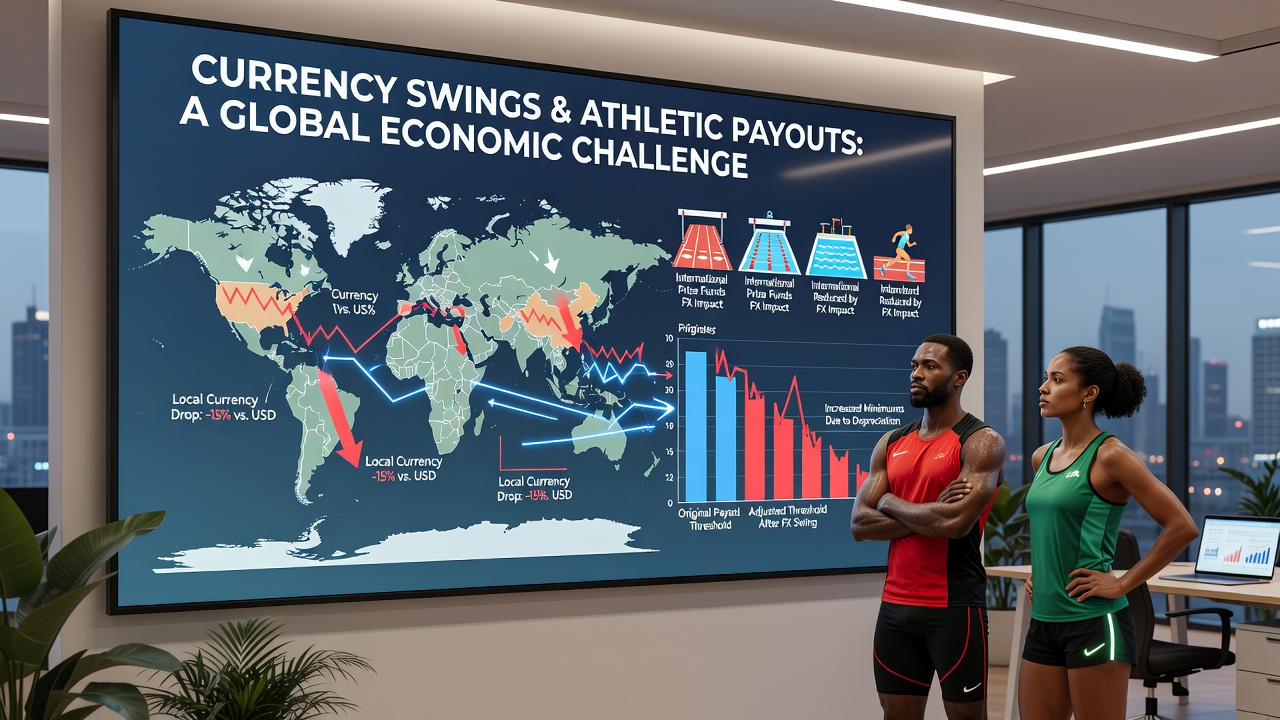
Research from regional financial authorities in Chile and Indonesia indicates that August 2026 saw multiple platforms implement automated tier resets tied to central bank rate announcements, with players in affected markets seeing their progress toward cashback or bonus levels paused or accelerated depending on the direction of the swing. These changes affect not only direct monetary rewards but also the conversion of in-platform credits earned through athletic contest tie-ins or promotional events.
Case Patterns Observed Across Markets
Take one platform operating across multiple jurisdictions that links athletic contest betting markets to its virtual rewards system; when the Mexican peso moved against the dollar in mid-2026, the operator raised the points required for premium tier entry while simultaneously adjusting contest payout minimums to keep net exposure balanced. Similar responses appeared in Kenyan and Vietnamese markets, where local operators coordinated with international settlement providers to embed currency-indexed clauses into user agreements.
Figures from academic studies conducted at institutions in Brazil reveal that these dual adjustments reduce the frequency of small-value redemptions by roughly 22 percent during high-volatility months, channeling activity toward fewer but larger transactions that align with more predictable exchange conditions.
Regulatory and Operational Responses
Regulatory bodies in several developing economies have begun requiring disclosure of how currency-linked threshold changes affect player accounts, prompting platforms to publish real-time adjustment tables. Operators meanwhile rely on hedging instruments and staggered settlement schedules to smooth the impact, although these mechanisms add layers of complexity to both athletic contest payouts and virtual hub reward calculations.
What's interesting is the emergence of hybrid models where contest winnings can be held in a stable currency wallet before conversion, allowing players to time redemptions around favorable rate periods without triggering automatic threshold resets.
Conclusion
Currency swings in developing economies continue to drive parallel modifications in payout thresholds for overseas athletic contests and reward tier structures at virtual entertainment hubs, with August 2026 data confirming sustained adaptation across payment systems and platform policies. These interconnected adjustments reflect broader efforts to maintain operational stability amid exchange rate variability, supported by disclosures from international financial institutions and regional regulatory frameworks that track such movements.