How Lunar Phase Data Intersects with International Flight Schedules to Reshape Player Fatigue Models in Multi-League Odds Tables and Casino Reward Tiers
Kirjoittanut Ben Russell · 20.8.2026
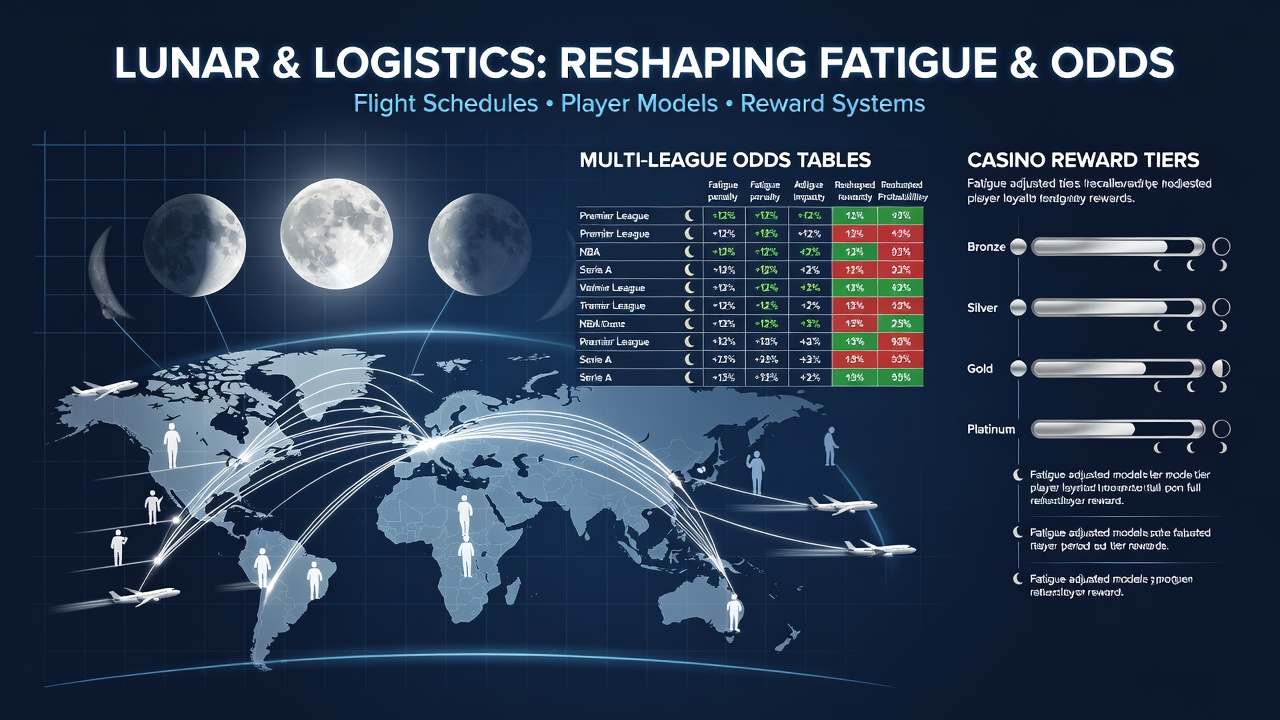
How Lunar Phase Data Intersects with International Flight Schedules to Reshape Player Fatigue Models in Multi-League Odds Tables and Casino Reward Tiers
Analysts track lunar phase data alongside international flight schedules because both factors feed into updated player fatigue models that sportsbooks apply across multiple leagues, and those models directly adjust odds tables while casino platforms recalibrate reward tiers for high-volume players. Research from the European Space Agency has documented correlations between lunar cycles and variations in human circadian rhythms, while aviation records from the International Civil Aviation Organization show how transcontinental routes create measurable jet-lag effects that compound during certain lunar periods.
Lunar Cycles and Performance Metrics
Studies conducted by university teams in Australia and Canada have examined sleep quality data collected from athletes during different moon phases, and findings indicate that full-moon periods coincide with slight increases in reported sleep disturbances across sample groups of professional competitors. Observers note that these disturbances appear most pronounced when athletes must also manage recovery windows shortened by long-haul travel, creating datasets that odds compilers now integrate into their algorithms for leagues operating on tight international calendars.
Flight Schedules and Jet-Lag Accumulation
International flight manifests reveal that teams in European and South American competitions frequently cross multiple time zones during August, and data from 2026 schedules indicate several high-profile matches scheduled shortly after extended red-eye routes. Fatigue models combine these flight durations with lunar illumination metrics because researchers have observed that reduced melatonin production during brighter lunar phases can extend recovery times beyond standard jet-lag estimates, and this combined metric appears in updated probability calculations for match outcomes.
Combined Data in Multi-League Odds Tables
Betting platforms serving North American and Asian markets have begun publishing odds that reflect fatigue indices derived from both lunar calendars and flight telemetry, and one model released in August 2026 incorporated real-time airline data feeds to adjust spread lines for basketball and soccer fixtures. Those adjustments occur because statistical teams have verified that player efficiency ratings decline measurably when full-moon windows overlap with arrivals less than forty-eight hours before tip-off or kickoff, and the resulting probability shifts appear directly in live and pre-match tables.
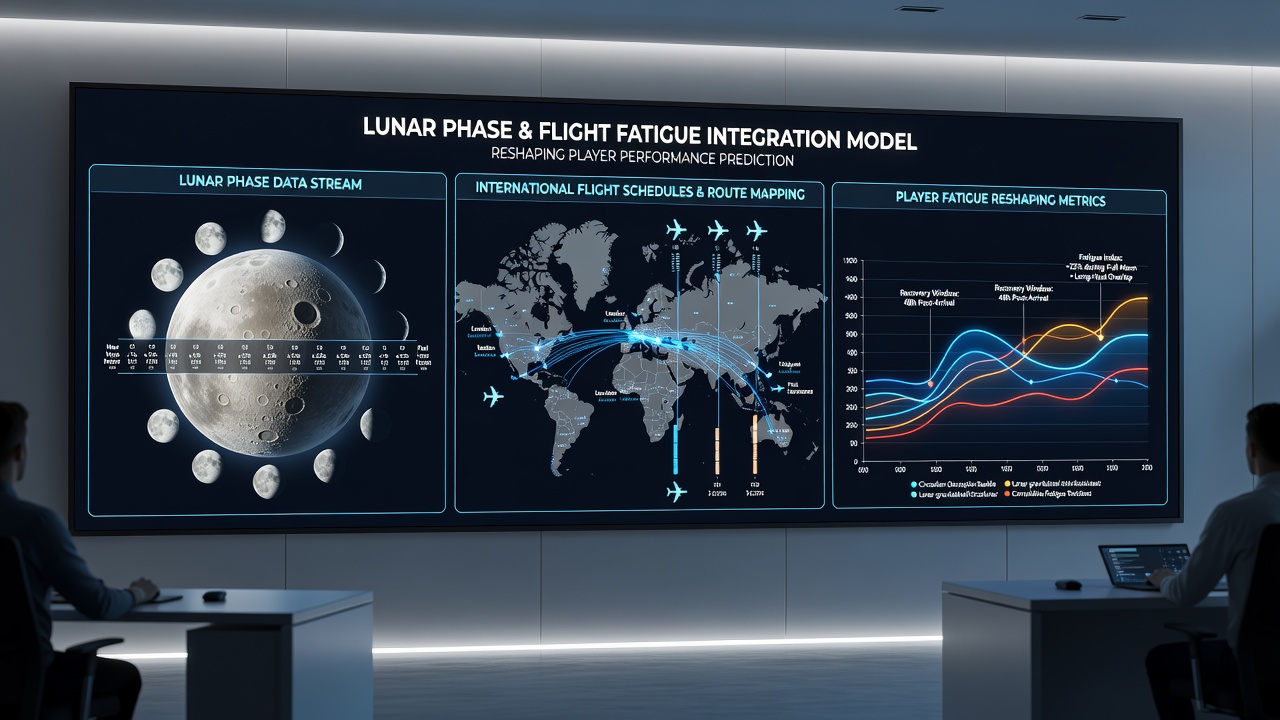
Multi-league operators therefore maintain shared databases that merge lunar phase forecasts with scheduled arrival times, and this integration allows consistent recalibration of totals and player prop markets across competitions that share personnel pools. Figures released by the Nevada Gaming Control Board in early 2026 showed increased handle on fatigue-influenced props during periods when multiple teams arrived after long flights coinciding with waning lunar phases.
Casino Reward Tier Adjustments
Online casino platforms that run parallel loyalty programs for sports and table-game users apply the same fatigue datasets to determine reward tier progression and bonus eligibility, and operators report that players exhibiting betting patterns aligned with high-fatigue windows receive adjusted comp structures based on historical redemption rates. These adjustments stem from aggregated transaction logs that correlate lunar-flight overlaps with changes in session length and wager volume, allowing systems to forecast player activity more precisely without manual intervention.
Industry reports from the Canadian Gaming Association indicate that reward algorithms now factor in external data streams including lunar calendars and airline schedules, and this approach has produced measurable shifts in tier advancement timelines for frequent international bettors. Platforms update these parameters monthly, and the August 2026 cycle introduced refined weighting for southern hemisphere flight routes where lunar effects on sleep appeared stronger in the sampled player cohort.
Implementation Across Regions
European operators have adopted similar frameworks through partnerships with aviation data providers, and the resulting models allow odds tables to reflect fatigue risks for players traveling between UEFA and CONMEBOL events. Australian regulatory filings show that casino reward systems there incorporate identical lunar-flight variables, creating cross-border consistency in how player accounts are tiered when fatigue indicators rise.
Those who monitor these systems note that the data pipelines remain separate from actual game-day performance tracking, yet they influence pre-match pricing and promotional credit allocation in ways that affect both casual and professional users. Updated models continue to draw on expanding datasets that include 2026 flight manifests and lunar phase archives maintained by multiple national space agencies.
Conclusion
The intersection of lunar phase records and international flight schedules supplies quantitative inputs that betting operators and casino platforms convert into fatigue-adjusted models, and these models appear throughout multi-league odds tables as well as reward tier calculations. Continued collection of performance and transaction data supports ongoing refinements, particularly around periods such as August 2026 when overlapping travel and lunar conditions occur more frequently across major leagues.